Many women enter perimenopause and menopause feeling like their bodies are suddenly playing by new rules. Energy may feel less steady. Recovery from workouts may take longer. Muscle tone may seem harder to maintain, even when exercise and nutrition habits have not changed much. These shifts can feel confusing, but they are not random.
During this stage of life, the body goes through meaningful hormonal and metabolic changes. Those changes may influence how you build muscle, store body fat, recover from stress, and respond to the foods you eat. One of the most important nutrition strategies during this transition is often one of the most overlooked: getting enough protein.
At Ignite Performance & Health, we take a data-driven, individualized approach to health optimization. That means looking beyond calories alone and focusing on the building blocks your body needs to stay strong, resilient, and capable. Protein is one of those essentials. During perimenopause and menopause, adequate protein intake may contribute to muscle preservation, metabolic support, healthy aging, and overall vitality.
Please note: This article is for educational purposes only. Individual needs, outcomes, and medical suitability vary. Nutrition and clinical strategies should be tailored to your personal history, goals, and physiology under appropriate professional guidance.
Why the Body Changes During Perimenopause and Menopause
Perimenopause and menopause are not just reproductive transitions. They also affect muscle tissue, bone health, energy balance, and body composition. To understand why protein becomes more important, it helps to understand what the body is navigating during this phase.
Hormonal Shifts Influence Body Composition
As estrogen and other hormone levels fluctuate, many women notice changes in where and how they carry body fat. Lean muscle mass may gradually decline, while abdominal fat may become easier to gain. These changes are not simply about aging or willpower. They reflect shifts in internal signaling that affect metabolism and tissue maintenance.
Estrogen has been associated with several functions beyond reproduction, including support for muscle recovery, insulin sensitivity, and skeletal health. As levels change, the body may become less efficient at preserving lean mass. That is one reason why nutrition quality becomes more important, not less.
Muscle Loss Can Accelerate with Age
Starting in midlife, women may experience a gradual loss of skeletal muscle if they do not actively train and nourish it. This age-related decline in muscle mass has been associated with reduced strength, lower metabolic rate, and less physical resilience over time.
Because muscle is metabolically active tissue, preserving it matters for more than appearance. Lean mass supports movement, posture, energy expenditure, and functional independence. It also plays a role in how the body handles glucose and responds to exercise. Protein is essential in this process because it provides the amino acids needed to repair and rebuild tissue.
What Protein Actually Does in the Body
Protein is often reduced to a fitness buzzword, but its role is much broader than helping people “tone up.” It is a foundational nutrient that supports nearly every system in the body.
Protein Supports Muscle Repair and Maintenance
Every time you train, walk, carry groceries, or move through daily life, your muscles experience wear and tear. That is normal. Protein helps your body repair that tissue and adapt to physical demands. During perimenopause and menopause, this repair process may become less efficient, which means women may need to be more intentional about protein intake than they were in earlier decades.
This does not mean more is always better. It means enough matters. Consistently consuming adequate protein across the day may help support muscle protein synthesis, the process through which the body repairs and builds lean tissue.
Protein Contributes to Satiety and Energy Regulation
Protein has also been associated with increased satiety. In simple terms, it may help you feel fuller for longer after meals. That matters during perimenopause and menopause, when appetite regulation and blood sugar stability may feel less predictable.
Meals built around sufficient protein may contribute to fewer energy crashes, more balanced hunger signals, and improved consistency with nutrition habits. For women trying to support body composition without extreme restriction, this can be a valuable advantage.
Protein Helps Support Structural and Hormonal Function
Protein is not only used for muscle. Amino acids are involved in the production of enzymes, transport proteins, immune compounds, and signaling molecules throughout the body. While no single nutrient can “fix” hormone changes, adequate protein intake may contribute to the body’s ability to maintain normal physiological function during a demanding transition.
In that sense, protein is not just a performance nutrient. It is a resilience nutrient.
Why Protein Matters More in Midlife
Many women do not need a complete nutrition overhaul during perimenopause and menopause. They often need a more strategic one. Protein becomes especially important because it supports several goals at once.
Preserving Lean Mass in a Changing Metabolic Environment
When hormone levels shift, the body may become more prone to losing muscle if nutrition and training are not aligned. This matters because less muscle often means lower daily energy expenditure and reduced strength over time.
Adequate protein intake, especially when paired with resistance training, has been associated with better lean mass preservation. That combination may contribute to a healthier body composition and a stronger metabolic foundation.
This is one reason why simply eating less is often not the best strategy in midlife. Aggressive calorie restriction without enough protein may increase the risk of losing lean tissue along with body weight. A more effective approach often focuses on body composition, not just the scale.
Supporting Recovery from Strength Training
Strength training is one of the most powerful tools available for women in perimenopause and menopause. It helps create the stimulus the body needs to preserve muscle and support bone strength. But training alone is not enough. The body still needs raw materials to recover.
Protein intake after workouts and across the day may contribute to better recovery, improved adaptation, and sustained performance. If you are lifting weights but under-eating protein, you may not be giving your body what it needs to respond well to training.
Helping Maintain Vitality and Function
Muscle is not just for athletes. It supports balance, mobility, joint stability, posture, and everyday capability. Whether your goal is to hike, travel, play with your kids, or simply feel strong in your own body, lean mass matters.
Protein intake has been associated with better physical function in aging adults. During menopause, that makes it a practical tool for supporting long-term vitality, not just a short-term physique goal.
Common Reasons Women Undereat Protein
Even health-conscious women often fall short on protein, especially earlier in the day. This is usually not due to lack of effort. It is often the result of habits, outdated advice, or simple underestimation.
Breakfast and Snacks Are Often Too Low in Protein
A typical breakfast might center on toast, oatmeal, fruit, or coffee. Snacks may consist of crackers, bars, or nuts alone. While these foods can fit into a healthy plan, they may not provide enough protein to support muscle maintenance and appetite control.
Spacing protein more evenly across meals may be more effective than trying to cram most of it into dinner. A balanced approach often helps the body use protein more efficiently throughout the day.
Diet Culture Can Push Women Toward Restriction
Many women entering menopause have spent years being told to eat less, avoid certain foods, or chase a lower number on the scale. That mindset can make protein intake harder to prioritize, especially if lean protein sources feel too “heavy” or too calorie-dense.
But under-fueling is rarely a strong long-term strategy. During this stage of life, the goal may be less about eating as little as possible and more about eating enough of what supports your physiology.
How to Improve Protein Intake in a Smart, Sustainable Way
Protein does not need to become complicated. The most effective strategy is usually one you can repeat consistently.
Build Meals Around a Protein Source
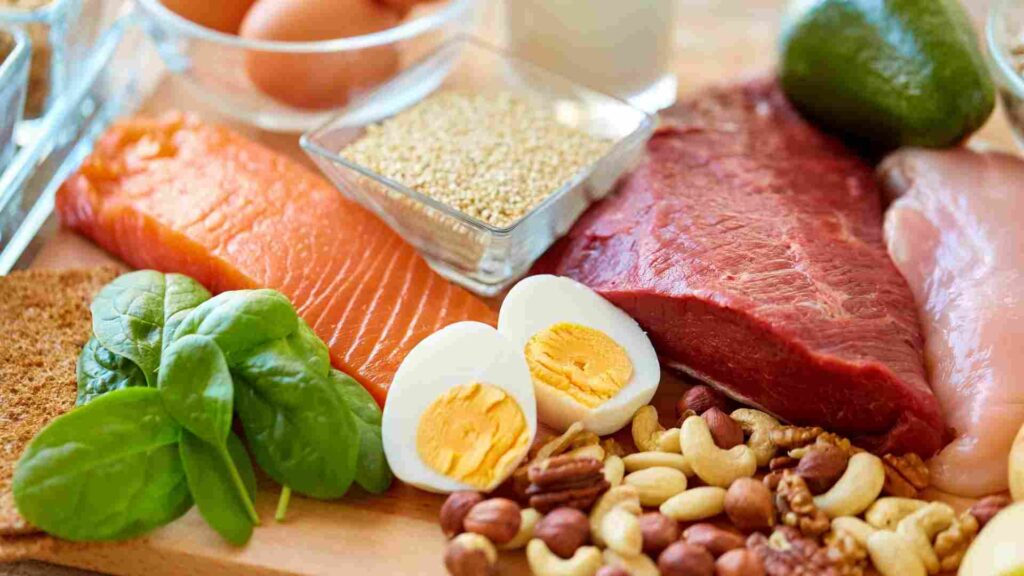
Instead of treating protein like a side note, make it the anchor of each meal. That may include eggs, Greek yogurt, cottage cheese, fish, chicken, turkey, lean beef, tofu, tempeh, or other protein-rich options that fit your preferences and needs.
This shift may help improve satiety, support recovery, and make meal planning simpler.
Pair Protein with Strength Training
Nutrition and exercise work best together. Resistance training provides the stimulus. Protein provides the building blocks. When combined, they may support muscle retention, body composition, and healthy aging more effectively than either strategy alone.
This is especially important during perimenopause and menopause, when the body may need a clearer signal to preserve lean tissue.
Personalize the Plan
Not every woman needs the same amount of protein, the same meal timing, or the same nutrition structure. Activity level, body size, digestive tolerance, health history, and goals all matter. That is why a personalized plan tends to outperform generic internet advice.
At Ignite Performance & Health, we use a science-driven model to help women understand what their bodies may need during periods of change. For some, that means refining nutrition habits. For others, it may also involve deeper clinical evaluation when medically appropriate. The right approach depends on the individual.
The Ignite Approach to Midlife Health Optimization
Perimenopause and menopause should not be viewed as a time to lower expectations. They are a time to get more precise. If your body is changing, your strategy may need to change too.
Protein is one of the simplest and most powerful tools in that strategy. It may contribute to muscle preservation, support training recovery, improve satiety, and help protect the strength and vitality that matter more with age. But protein works best as part of a broader plan that includes resistance training, recovery, metabolic awareness, and expert guidance.
At Ignite Performance & Health, we help women move beyond guesswork. Through data-driven fitness, personalized coaching, and clinical oversight when appropriate, we build strategies designed around real physiology, not outdated diet culture.
Final Thoughts
During perimenopause and menopause, protein matters more than ever because your body is being asked to adapt to a new internal environment. That does not mean decline is inevitable. It means your inputs matter more.
When you prioritize protein, you are not just eating for today’s hunger. You are investing in muscle, recovery, strength, and long-term capability. Combined with smart training and a personalized plan, that investment may help you feel stronger, steadier, and more supported through every stage of midlife.
If you are ready to take a more strategic approach to your health, Ignite Performance & Health can help you build a plan that aligns with your body, your goals, and your next chapter.