
Testosterone Replacement Therapy (TRT) Chesterfield, MO
If you’re feeling fatigued, struggling to build muscle, noticing a decreased energy level, or experiencing a depressed mood, you may be showing symptoms of low testosterone (testosterone deficiency or hypogonadism). These symptoms of low testosterone can also include low sex drive, reduced muscle mass, increased body fat, and mood changes. About 4 out of 10 men over the age of 45 experience low testosterone levels, with prevalence increasing as men age. At Ignite Performance and Health, our team provides a safe, physician-led Testosterone Replacement Therapy (TRT) program. TRT is a prescription medical treatment for men with clinically low testosterone (hypogonadism) that uses synthetic testosterone to restore hormone levels to a normal, physiological range. Not everyone is a candidate for TRT; it should only be prescribed for confirmed, symptomatic hypogonadism after a thorough evaluation.
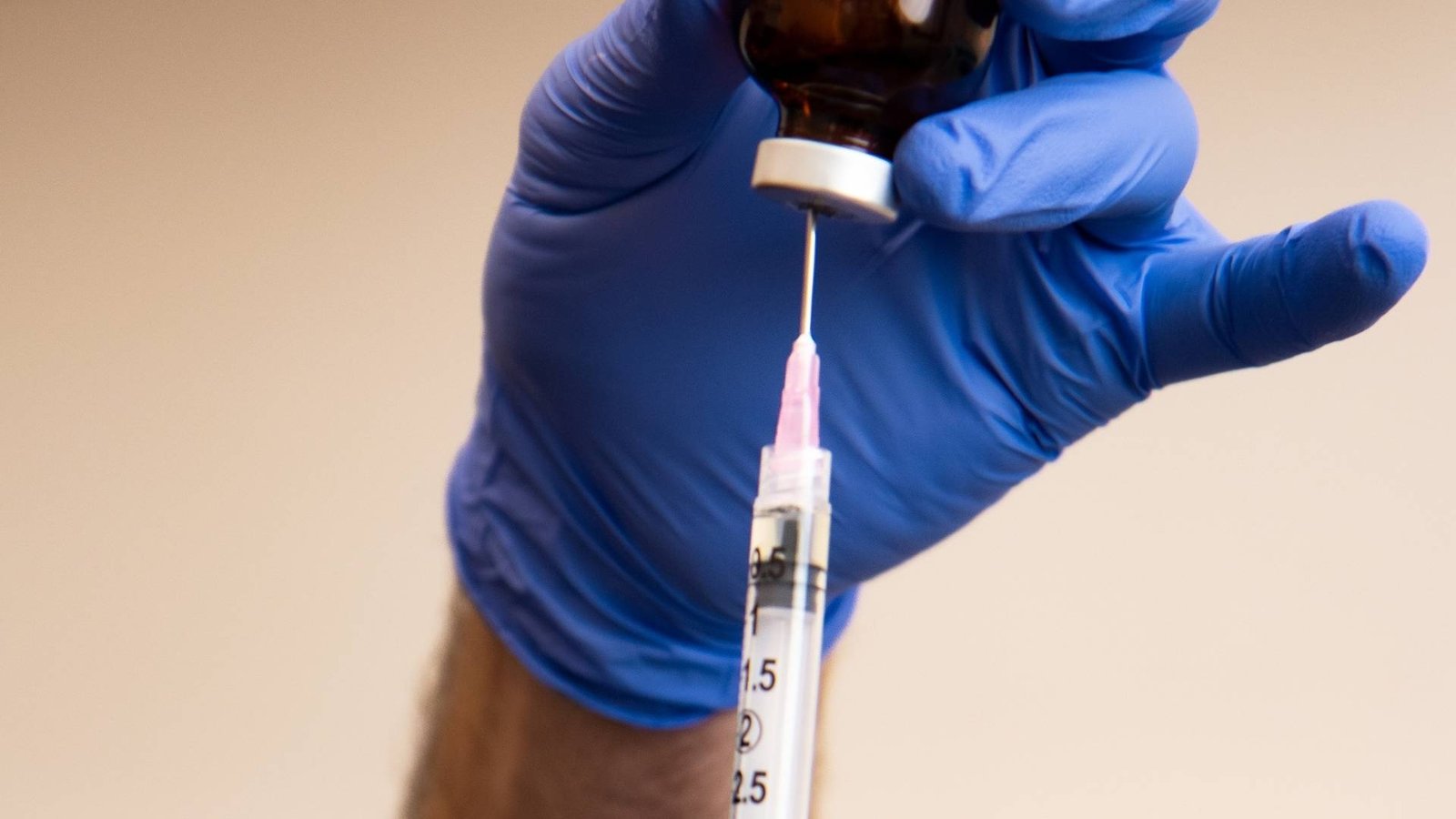
More Than Hormones
Unlike many TRT clinics that promise quick fixes, Ignite takes a comprehensive approach. We combine testosterone therapy with tailored strength training and precision nutrition to ensure your progress is safe, sustainable, and transformative. Our goal isn’t just to raise hormone levels, but to help you thrive—always ensuring the benefits outweigh the risks.
how does it work?
Medical Provider Evaluation: Your journey starts with bloodwork, a physical exam, and a physician consultation to identify your unique needs. We review your medical history and screen for relevant health conditions, as most physicians recommend a blood test to confirm low testosterone levels before starting TRT.
Personalized Prescription Plan: Safe, medically supervised TRT protocols are developed to restore enough testosterone while protecting long-term health. TRT often requires ongoing monitoring by a healthcare professional to manage potential risks and ensure the benefits outweigh any possible complications.
Integrated Coaching: We don’t stop at the prescription – we offer balanced nutrition and strength training plans to improve overall well-being. Addressing symptoms of low testosterone—such as low libido, decreased energy, and depressed mood—is central to our approach.
Don’t settle for short-term fixes. Ignite’s expert-led TRT program combines science, training, and nutrition to help you build strength, energy, and confidence for the long run. TRT is not intended for non-medical reasons such as preventing aging changes, and men should avoid TRT unless they have a confirmed medical need after proper evaluation.
Understanding Testosterone Levels
Testosterone is the primary male hormone responsible for many aspects of men’s health, including energy, muscle mass, and sexual function. As men age, testosterone levels naturally decline—typically starting between ages 30 and 40, with an average decrease of about 1% per year. However, not all older men experience low testosterone, and many maintain normal levels well into later life.
Diagnosing low testosterone, also known as male hypogonadism or low-T, requires more than just noticing symptoms. A blood test is essential to accurately measure testosterone levels, including total testosterone, free testosterone, and bioavailable testosterone. Normal testosterone levels for adult men generally range from 300 to 1,000 ng/dL. Levels below 300 ng/dL are typically considered low and may indicate hypogonadism.
If you’re experiencing symptoms such as fatigue, decreased libido, or reduced muscle mass, it’s important to consult a doctor. Your physician will evaluate your symptoms, medical history, and blood test results to confirm whether low testosterone is the cause, or if another medical condition may be responsible. Understanding your testosterone levels is the first step toward effective treatment and improved well-being.
Replacement Therapy Options

It’s important to use TRT products carefully to avoid accidental exposure to others. For example, testosterone gel can transfer through unwashed clothes or towels, so men with children or partners—especially pregnant women—should take precautions to prevent contact. Each replacement therapy option has unique benefits and potential risks, so it’s essential to discuss your symptoms and lifestyle with your healthcare provider. Together, you can determine the most appropriate treatment plan to address your low testosterone and support your overall health.
If you’ve been diagnosed with low testosterone, there are several testosterone replacement therapy (TRT) options available to help restore healthy hormone levels. TRT can be administered in various forms, including injections, skin patches, testosterone gel, mouth patches, implants, and oral testosterone. Among these, about 70% of men use a skin gel applied to the shoulders or upper arms after showering, as it offers convenience and steady absorption.
Improving Muscle Mass

Testosterone is vital for maintaining muscle mass, bone density, and a healthy body composition. When testosterone levels drop, men may notice a decrease in muscle mass, an increase in body fat, and a reduction in bone density. Testosterone replacement therapy can help address these changes, supporting muscle maintenance, bone health, and improved overall well-being.
In addition to TRT, lifestyle changes play a significant role in optimizing muscle mass and health. Regular exercise, particularly strength training, combined with a balanced diet and healthy weight management, can further enhance the benefits of testosterone replacement. Before starting any new exercise or nutrition program—especially if you’re considering TRT—it’s important to consult your doctor. A personalized approach ensures you address low testosterone safely and effectively, maximizing your results and long-term health.
Heart Health and Testosterone
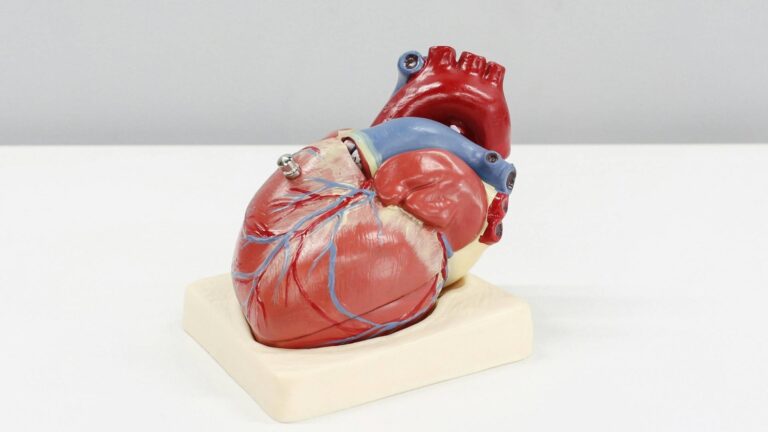
The relationship between testosterone replacement therapy and heart health is complex and still under investigation. Some research suggests that TRT may increase the risk of heart attacks, while other studies indicate it could actually lower the risk of cardiovascular events. For example, a recent study involving 44,000 men with low testosterone levels found that those receiving TRT had a 33% lower risk of heart attacks and strokes compared to those who did not receive treatment.
Despite these promising findings, more research is needed to fully understand the long-term effects of TRT on heart disease. Men with a history of heart problems, sleep apnea, or elevated red blood cell counts should approach testosterone replacement with caution, as these conditions may increase the potential risks. Always consult your healthcare provider to discuss your medical history and determine whether TRT is a safe and appropriate option for you.
Enhancing Sex Drive

Low testosterone levels can significantly impact sexual health, leading to decreased sex drive, erectile dysfunction, and fewer spontaneous erections. Testosterone therapy can help restore libido, improve erectile function, and enhance overall sexual satisfaction for many men. However, it’s important to remember that low sex drive can result from a variety of factors, not just low testosterone.
If you’re experiencing changes in your sex drive or sexual function, consult a doctor to identify the underlying cause and explore treatment options. In addition to testosterone replacement therapy, lifestyle changes such as losing weight, regular exercise, and stress reduction can also boost sexual desire and well-being. Testosterone treatment should always be supervised by a knowledgeable physician to ensure safety and effectiveness, helping you regain confidence and vitality in your intimate life.