For many people, weight loss becomes frustrating when effort does not seem to match results. You may be eating less, exercising more, and still feel stuck. In many cases, the issue is not a lack of discipline. It is that the plan is too narrow.
The best medical weight loss programs do not rely on calorie counting alone. They look at the whole picture. That includes how you eat, how you train, how you recover, and how your body responds over time. When nutrition, strength training, and accountability work together, the process may become more sustainable and more effective.
At Ignite Performance & Health, we believe successful body composition change starts with precision, not guesswork. A science-driven program may help uncover the factors shaping your progress, then build a personalized strategy around your physiology, goals, and lifestyle.
Please note: This article is for educational purposes only. Individual outcomes vary based on health history, adherence, physiology, and medical suitability. Any clinical intervention should be used only under appropriate medical oversight.
Why Traditional Weight Loss Approaches Often Fall Short
Many weight loss programs focus on one simple idea: eat fewer calories and move more. While energy balance matters, that advice can be too simplistic for real life. It often ignores the factors that shape hunger, muscle mass, stress, recovery, and metabolic function.
Calorie Counting Alone Misses the Bigger Picture
Calories are one part of the equation, but they are not the full story. Two people can follow the same calorie target and have very different experiences. One may feel satisfied and energized. The other may feel hungry, tired, and unable to stay consistent.
That difference may come down to food quality, protein intake, training style, sleep, stress, and individual biology. A medical weight loss program that looks only at calorie totals may miss the reasons progress slows down.
Short-Term Restriction Can Undermine Long-Term Success
Highly restrictive plans may produce early weight changes, but they are often hard to sustain. In some cases, aggressive dieting may contribute to muscle loss, lower energy, reduced training performance, and a cycle of rebound behaviors.
This is one reason sustainable results usually require more than eating less. The goal should not be to do the most extreme plan you can tolerate for a few weeks. The goal is to build a system your body and lifestyle can support over time.
What Makes a Medical Weight Loss Program Different
A strong medical weight loss program is not just a diet with a medical label. It is a structured, personalized approach that combines clinical insight with practical coaching.
Clinical Oversight Adds Safety and Precision
Medical oversight may help identify barriers that a standard program would overlook. That can include metabolic markers, body composition trends, recovery issues, hormone-related changes, or other variables that may influence progress.
This does not mean every person needs advanced intervention. It means the plan should be based on what your body is showing, not on assumptions. When clinically appropriate, medical input may help guide decisions in a way that supports safety, personalization, and long-term strategy.
The Best Programs Adapt to the Individual
No single plan works for everyone. Activity history, age, muscle mass, stress levels, sleep quality, nutrition habits, and health background all matter. A personalized approach may help match the strategy to the person instead of forcing the person to fit the strategy.
That level of customization is one of the biggest differences between a generic weight loss plan and a high-quality medical program. It is also one reason individualized coaching has been associated with better adherence over time.
Personalized Nutrition Is a Core Part of the Process
Nutrition is a foundation of any body composition plan, but the best programs go beyond meal plans and food rules. They help people understand how to eat in a way that supports muscle retention, appetite control, energy, and consistency.
Protein, Food Quality, and Structure Matter
A well-designed nutrition plan may focus on more than total intake. Protein is especially important because it may contribute to satiety, recovery, and lean mass preservation during a fat loss phase. Food quality also matters. Meals built around nutrient-dense foods may support better energy, better compliance, and more stable hunger patterns.
Meal structure is another key factor. Some people do better with simple routines. Others need flexibility. The best nutrition strategy is often the one that aligns with your daily life while still supporting your goals.
Nutrition Should Support Training, Not Fight It
A common mistake in weight loss is under-fueling while trying to train hard. When that happens, workouts may suffer, recovery may slow down, and muscle loss becomes a bigger concern.
A better approach is to align nutrition with performance and recovery. When intake is matched to training demands, the body may respond more favorably. This can be especially important for people trying to improve body composition while maintaining strength and function.
Why Strength Training Should Be Non-Negotiable
Many weight loss programs still center on cardio and scale changes. But if the goal is sustainable body composition improvement, strength training deserves a central role.
Muscle Preservation Supports Metabolic Health
When people lose weight without resistance training, some of that loss may come from lean tissue. That matters because muscle supports movement, performance, and daily energy expenditure. Preserving lean mass may contribute to better long-term maintenance and a stronger metabolic foundation.
Strength training gives the body a reason to keep muscle while fat loss is taking place. It sends a clear signal that lean tissue is needed. When paired with adequate protein and recovery, this may help improve the quality of the results, not just the quantity of weight lost.
Strength Changes More Than Appearance
The benefits of resistance training go well beyond aesthetics. It has been associated with improved strength, physical function, confidence, bone health, and resilience through aging. For many people, this changes the entire experience of weight loss.
Instead of chasing a lower number at any cost, strength-based programs encourage a better question: how do you want to feel and function? That shift often leads to a more durable and empowering process.
Accountability Is What Turns a Plan Into a Practice
Even the smartest program only works if you can follow it. That is where accountability becomes essential.
Coaching Helps Create Consistency
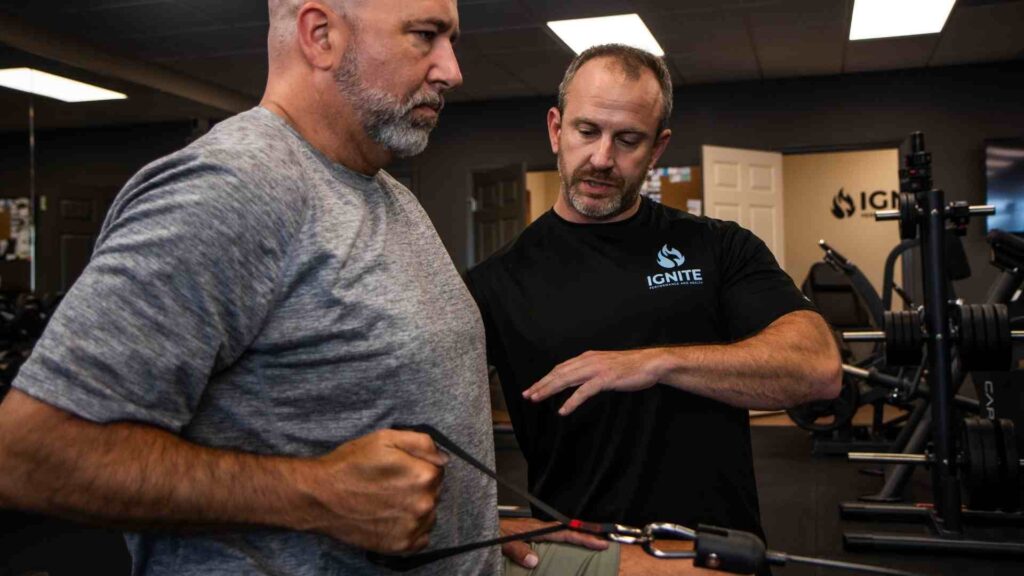
Accountability is not about pressure or shame. It is about support, structure, and course correction. A coach may help you stay consistent, adjust the plan when life gets messy, and focus on the behaviors that matter most.
This can be especially useful when motivation drops, travel disrupts routines, or progress slows. Instead of quitting or starting over, you have a system for adapting and moving forward.
Data Helps Remove Emotion From the Process
Many people judge progress too quickly based on day-to-day scale changes. But body weight can fluctuate for many reasons. A data-driven program may use additional markers such as measurements, strength trends, recovery patterns, body composition, nutrition compliance, and behavior consistency.
That broader view often leads to better decisions. It may help clients see progress they would have otherwise missed and avoid making reactive changes based on short-term noise.
Why Holistic Programs Tend to Be More Sustainable
A holistic medical weight loss program does not treat nutrition, exercise, and support as separate pieces. It integrates them into one strategy.
Real Change Requires Systems, Not Quick Fixes
Quick fixes can be appealing because they promise simplicity. But lasting progress usually comes from repeatable systems. That may include a realistic meal structure, a progressive strength program, regular check-ins, recovery habits, and clinical review when needed.
When these elements work together, the program may feel less like a temporary effort and more like a sustainable operating system for your health.
Individual Variability Should Shape the Plan
What works well for one person may not work well for another. Some people need more nutrition support. Others need better recovery, improved training design, or deeper clinical evaluation. A holistic approach leaves room for that complexity.
This is especially important for people who have tried multiple diets and still feel stuck. In many of those cases, the missing piece is not more willpower. It is a better match between the plan and the person.
The Ignite Performance & Health Approach
At Ignite Performance & Health, we take an integrated view of medical weight loss. We do not see success as a matter of eating less and hoping for the best. We see it as the result of aligning clinical insight, personalized nutrition, strength training, and accountability around the individual.
Data-Driven Strategy Over Guesswork
Our approach starts with understanding the person in front of us. That may include evaluating body composition, movement, recovery patterns, lifestyle demands, and relevant health markers. From there, we build a plan designed to support sustainable progress rather than short-term extremes.
This data-driven process may help identify where someone is getting stuck and what type of support is most appropriate.
Coaching and Clinical Oversight Work Together
For some individuals, lifestyle coaching is the main driver of progress. For others, clinical oversight may also play an important role when medically appropriate. The value comes from integration. Nutrition, training, and accountability should not compete with medical strategy. They should support it.
That is where a comprehensive model may offer an advantage. Instead of fragmented advice, you get a coordinated plan built around how your body responds in real time.
Final Thoughts
The best medical weight loss programs combine nutrition, strength, and accountability because sustainable change depends on more than a calorie deficit alone. It depends on preserving muscle, supporting metabolism, improving adherence, and creating a plan you can actually maintain.
A personalized, science-driven approach may help you move beyond short-term dieting and toward a more durable result. With the right structure, support, and oversight, weight loss can become less about punishment and more about building a stronger, healthier foundation.
At Ignite Performance & Health, that is the goal. Not just helping you lose weight, but helping you do it in a way that supports long-term health, performance, and confidence.