Staying active over the long term isn’t just about training hard, it’s about recovering intelligently. Whether you’re an athlete, a fitness enthusiast, or simply someone who values movement and performance, setbacks like strains, joint irritation, or accumulated wear can slow progress and challenge consistency. In this context, understanding how recovery peptides work, and how they fit within a larger performance strategy, introduces new possibilities for those who want to maintain momentum over the years.
Traditionally, recovery conversations have focused on rest and time. While those remain important, modern performance and longevity medicine is exploring additional tools that may support the body’s natural recovery processes when used responsibly. Peptides for healing and recovery, with leading options like BPC-157 and TB-500, have received increasing attention as part of advanced, physician-guided protocols that help accelerate recovery from injury.
These recovery peptides aren’t a standalone solution, nor are they a replacement for structured training, strategic nutrition, or professional medical care. Instead, they’re one option sometimes integrated into well-rounded wellness programs. At Ignite Performance & Health, BPC-157 and TB-500 are leveraged only as a part of our Ignition Sequence™, a system that brings together science, strength, and nutrition to create an ideal environment for the body’s natural recovery capacities.
Important Medical Disclaimer
Peptides such as BPC-157 and TB-500 are not FDA-approved for the treatment, prevention, or cure of injury or disease. The information presented in this article is for educational purposes only and is based on emerging research, including preclinical and observational data. Individual responses vary. Any consideration of recovery peptides should occur only under the supervision of a qualified medical professional.
What Are Recovery Peptides?
Peptides are short chains of amino acids that serve as signaling molecules within the body. Peptides for healing and recovery help direct vital processes like tissue maintenance, inflammation modulation, and cellular communication. As we age, or as training demands increase, our natural production and sensitivity to these signals can change, sometimes making recovery slower or less complete.
For this reason, certain peptides have been studied in research settings for their potential role in supporting tissue signaling pathways involved in recovery, inflammation modulation, and cellular communication. In particular, BPC-157 and TB-500 have come to the forefront as some of the best peptides for injury recovery and healing, based on their roles in both local and systemic signaling pathways. These peptides don’t “force” healing, but may help amplify the effectiveness of the body’s own repair mechanisms, especially when paired with the right nutrition and strength-building protocols.
Commonly Discussed Recovery Peptides: BPC-157 and TB-500
Two of the most studied and discussed recovery peptides today are BPC-157 and TB-500. Each is unique, but they are often referenced together due to their complementary effects. Understanding how peptides like BPC-157 and TB-500 improve recovery starts with knowing their individual attributes.
BPC-157: Localized Tissue Support
BPC-157 is a peptide sequence originally found in gastric proteins. In preclinical research, BPC-157 has been studied for its potential impact on signaling pathways related to tissue repair and vascular health.
Because connective tissues such as tendons and ligaments have limited blood supply, recovery here can be slow. Early studies suggest BPC-157 may play a role in supporting blood vessel integrity and cellular repair, two key features among the best peptides for injury recovery and healing. Still, it’s worth noting that most data for BPC-157 comes from animal and cell models; more clinical research is needed to clarify its effects in humans.
TB-500: Systemic Signaling Support
TB-500 is a synthetic form of Thymosin Beta-4, a naturally occurring protein found throughout the body. Research explores its involvement in cellular migration, inflammation modulation, and tissue maintenance. Because of its systemic distribution, TB-500 is often considered in the context of broad tissue support, complementing BPC-157’s more localized influence. Properly utilized, both BPC-157 and TB-500 may help accelerate recovery from injury and promote optimal tissue adaptation within a robust recovery plan.
Why Peptides Are Not Used in Isolation
One of the most common misconceptions is that recovery peptides alone can resolve setbacks. However, even the best peptides for injury recovery and healing are not a replacement for foundational practices: progressive strength training, adequate nutrition, rest, and individualized medical support.
At Ignite, peptides for healing and recovery aren’t offered as a shortcut but as a potential adjunct in a structured, physician-led program.
The Ignition Sequence™: An Integrated Systems-Based Recovery Framework
To maximize the benefit from any intervention, Ignite Performance & Health employs the Ignition Sequence™, a three-pillar system that combines medical science, targeted strength training, and optimal nutrition. This framework supports how peptides like BPC-157 and TB-500 improve recovery by addressing all the major variables required for resilient, long-term healing.
Pillar 1: Science (Medical Oversight & Individualization)
Whenever recovery peptides like BPC-157 and TB-500 are considered, they are incorporated only within the bounds of medical oversight. This means reviewing health history, laboratory markers, and other factors that can influence how well you recover, from inflammation status to nutrient sufficiency.
Physician supervision ensures safe sourcing (pharmaceutical-grade from reputable compounding pharmacies) and dosing protocols tailored to each individual. This is an essential part of how peptides like BPC-157 and TB-500 improve recovery in real-world contexts.
Pillar 2: Strength (Maintaining Capacity During Recovery)
Extended downtime after injury can lead to muscle loss and slower metabolic health, which work against recovery goals. That’s why recovery-oriented training is an integral part of our strategy.
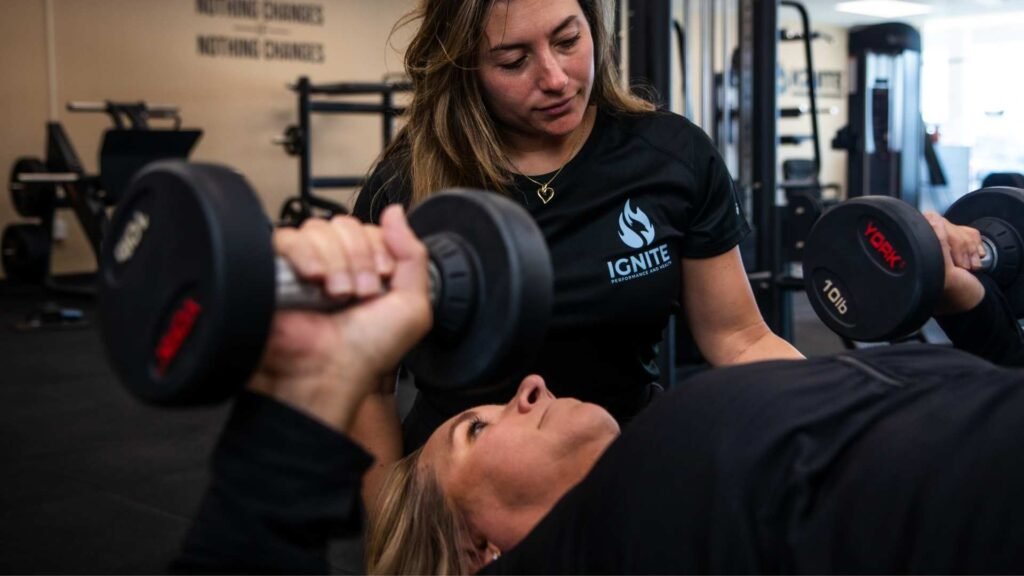
Instead of total rest, we emphasize movement for unaffected areas and the gradual, strategic reintroduction of load to support connective tissue strength and adaptation. Combining peptides for healing and recovery with intelligent strength work helps protect physical resilience, bridging the gap as healing occurs.
Pillar 3: Nutrition (Providing the Building Blocks)
Recovery depends on having the right raw materials. Protein, key micronutrients, and anti-inflammatory foods all play a role in tissue maintenance and repair. Our nutrition strategies focus on supporting and enhancing the signals provided by recovery peptides, ensuring you’re able to recover optimally. Based on lab markers and individual need, we may recommend targeted supplements as part of a holistic approach.
Safety and Medical Supervision Matter
With the rising popularity of recovery peptides and peptides for healing and recovery, unregulated online sources have proliferated, and with them, risks related to purity, dosing, and legality. At Ignite, every protocol is physician-supervised, with safety and regulation as top priorities. Our approach is about maximizing safety and real, sustainable outcomes. This ensures decisions are guided by health context, not chasing trends.
Rethinking Recovery: Beyond Rest, Toward Smart Integration
Your recovery journey doesn’t have to rely on passive rest alone. Today, active, systems-based strategies can support healing and help you get back to what you love sooner. When chosen carefully and as part of a broader plan, BPC-157 and TB-500 may support tissue health, resilience, and whole-body recovery. But their impact, like all advanced interventions, is always greatest when embedded within a comprehensive plan guided by science, strength, and nutrition.
Recovery peptides like BPC-157 and TB-500 are part of an evolving toolkit with promising research behind them. For those seeking the best peptides for injury recovery and healing, a thoughtful, integrated approach offers the greatest chance to accelerate recovery from injury while protecting long-term performance and well-being.
If you want to stay active, capable, and durable for the long term, give your recovery the structure and attention it deserves, backed by medicine, movement, and proper nutrition.