Peptides

Important Notice

The information below is provided for general educational purposes only. Ignite Performance & Health does not sell peptides online or make any claims about their clinical effectiveness. Any compounds referenced here are discussed solely in the context of publicly available research and general scientific literature.

What are they?

Peptides are short chains of amino acids that act as messengers in the body, signaling cells to repair, regenerate, and optimize key functions.They can support fat loss, muscle growth, recovery, sleep quality, cognitive performance, and even anti-aging. Unlike synthetic drugs, peptides work with your body’s natural processes, making them safe and effective for long-term health.

BP-157

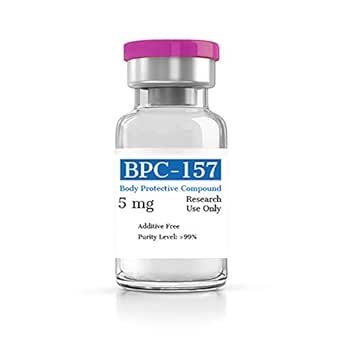
BPC-157

BPC-157 is a research compound referenced in scientific literature for its potential role in supporting the body’s natural recovery processes. Studies have explored its relationship to tissue resilience, digestive function, and cellular repair. Research in this area is ongoing, and no conclusions should be drawn regarding clinical outcomes.

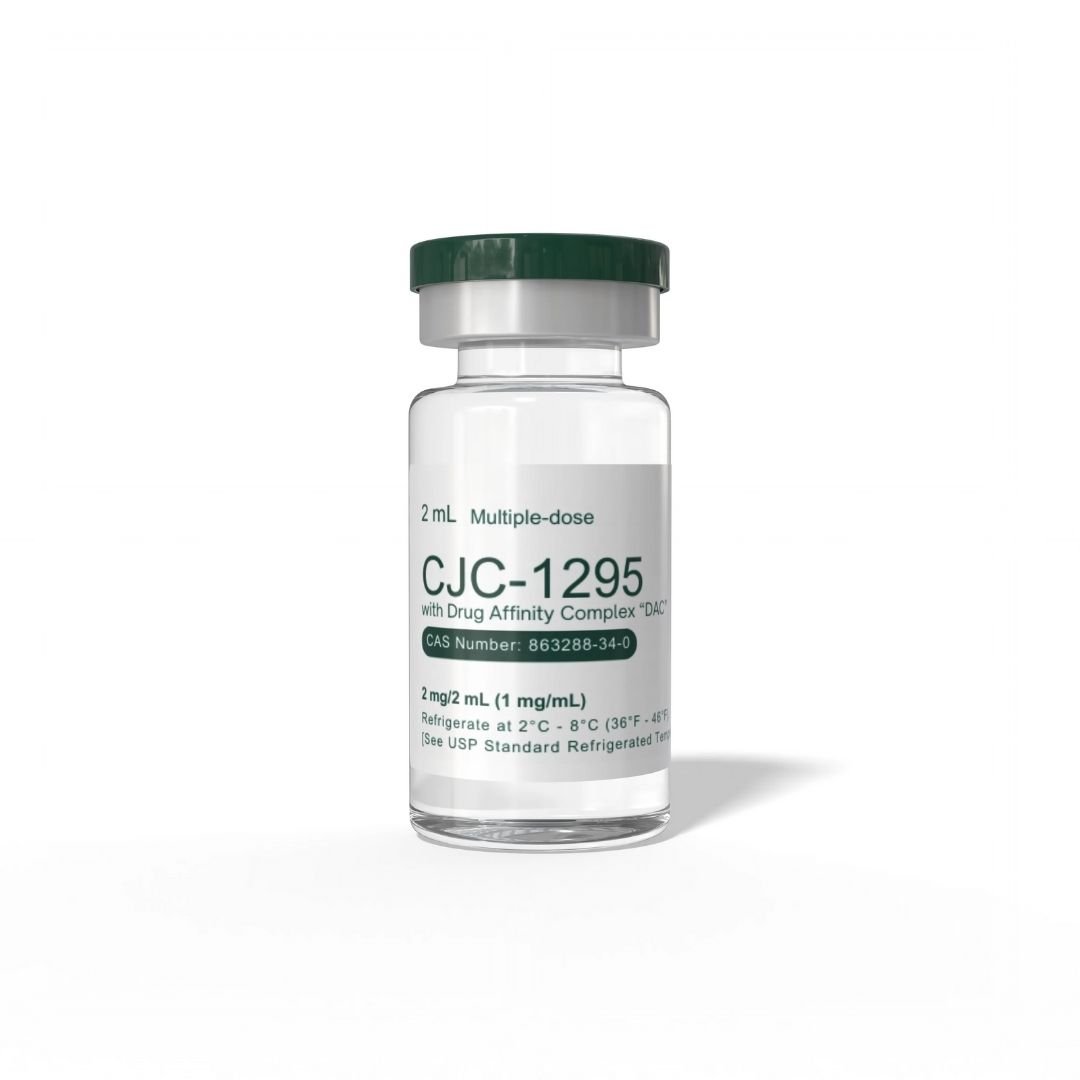
CJC

CJC-1295 is described in research materials as a peptide studied for its interaction with the body’s natural hormone signaling pathways. Academic interest has included potential connections to metabolic function, cellular repair, and general wellness markers. These findings remain exploratory and are not presented as medical recommendations.

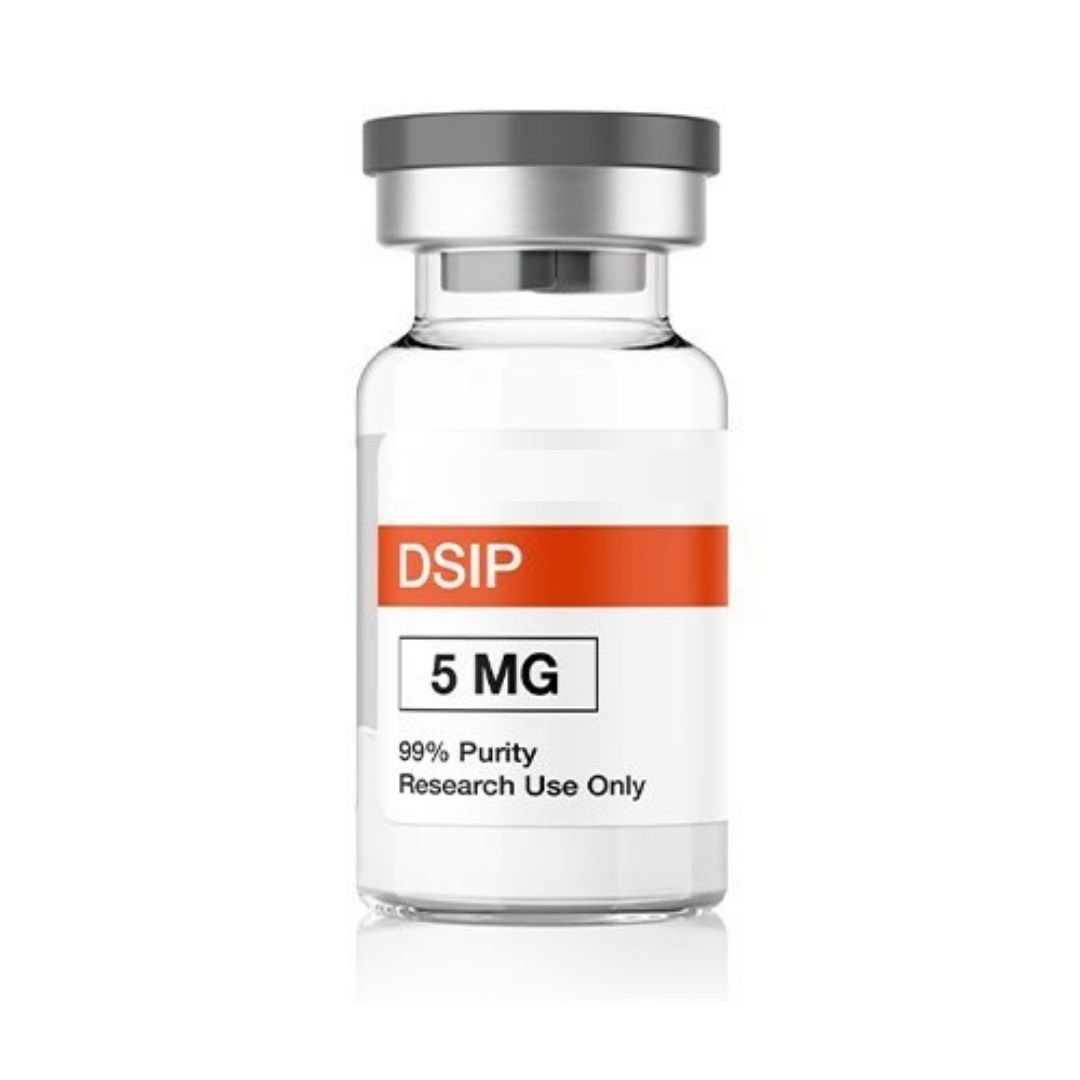
dsip

Delta Sleep-Inducing Peptide (DSIP) appears in published research focused on sleep regulation and stress response. Scientific discussions often examine its possible role in circadian patterns and restorative rest. Its real-world effects and applications remain an area of continued study.

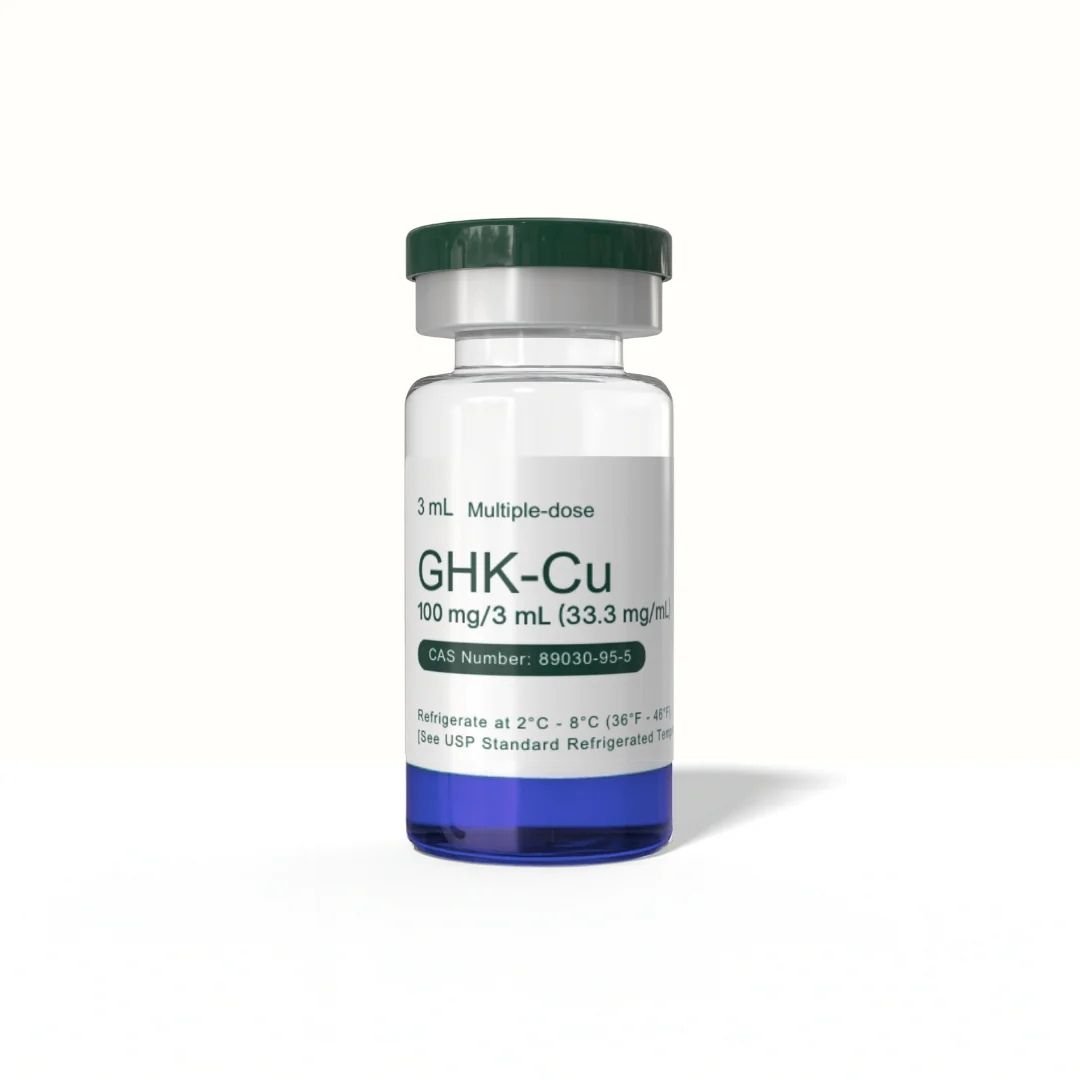
GHK-Cu

GHK-Cu, a naturally occurring copper peptide, is frequently cited in research for its potential involvement in skin health, collagen dynamics, and cellular signaling. Academic investigations also explore its relationship to tissue revitalization and cosmetic science. These references do not imply clinical usage.

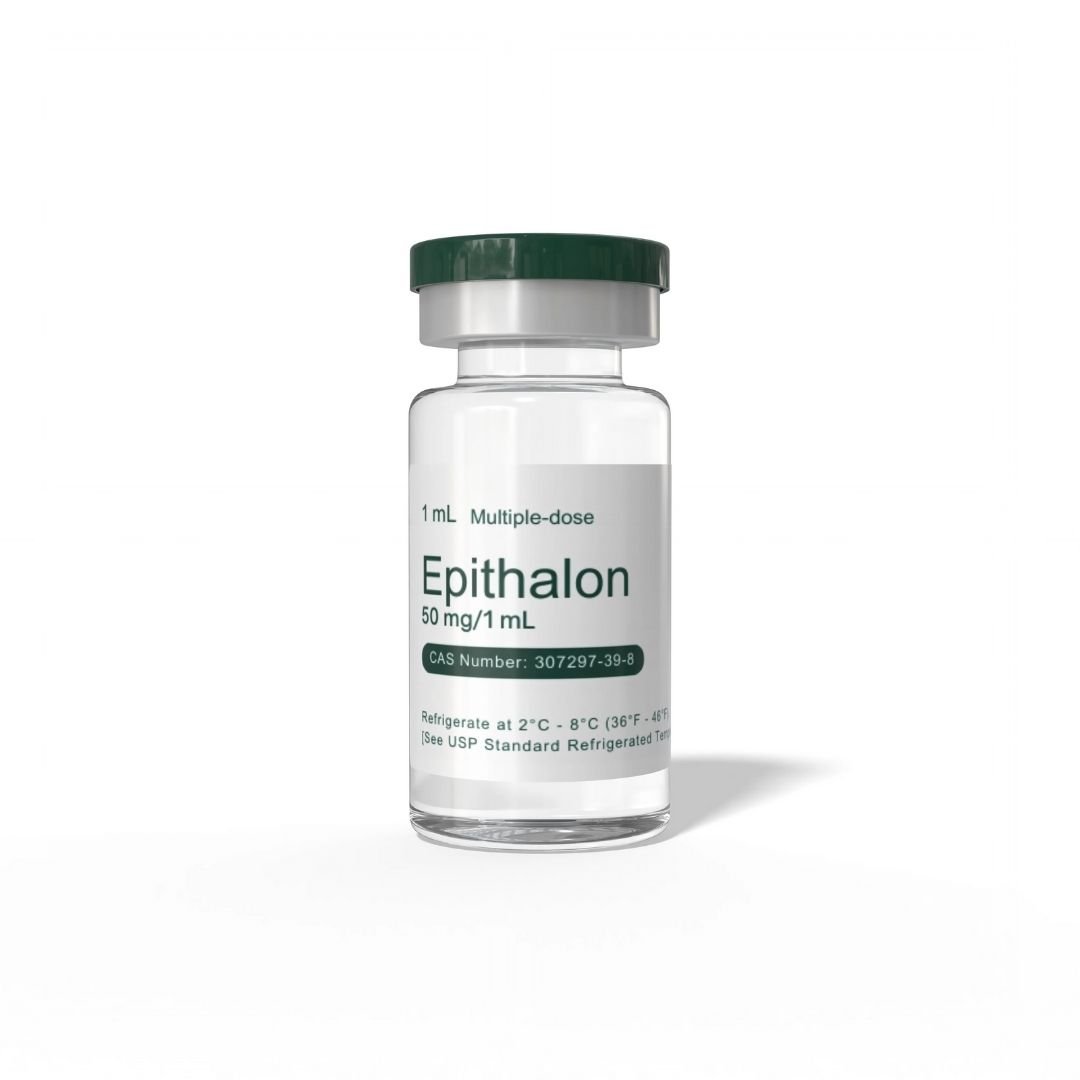
Epithalon

Epithalon is a peptide mentioned in scientific literature for its potential relationship to cellular longevity and telomerase activity. Some studies evaluate how it may influence recovery, sleep quality, or immune resilience, though the findings remain preliminary.

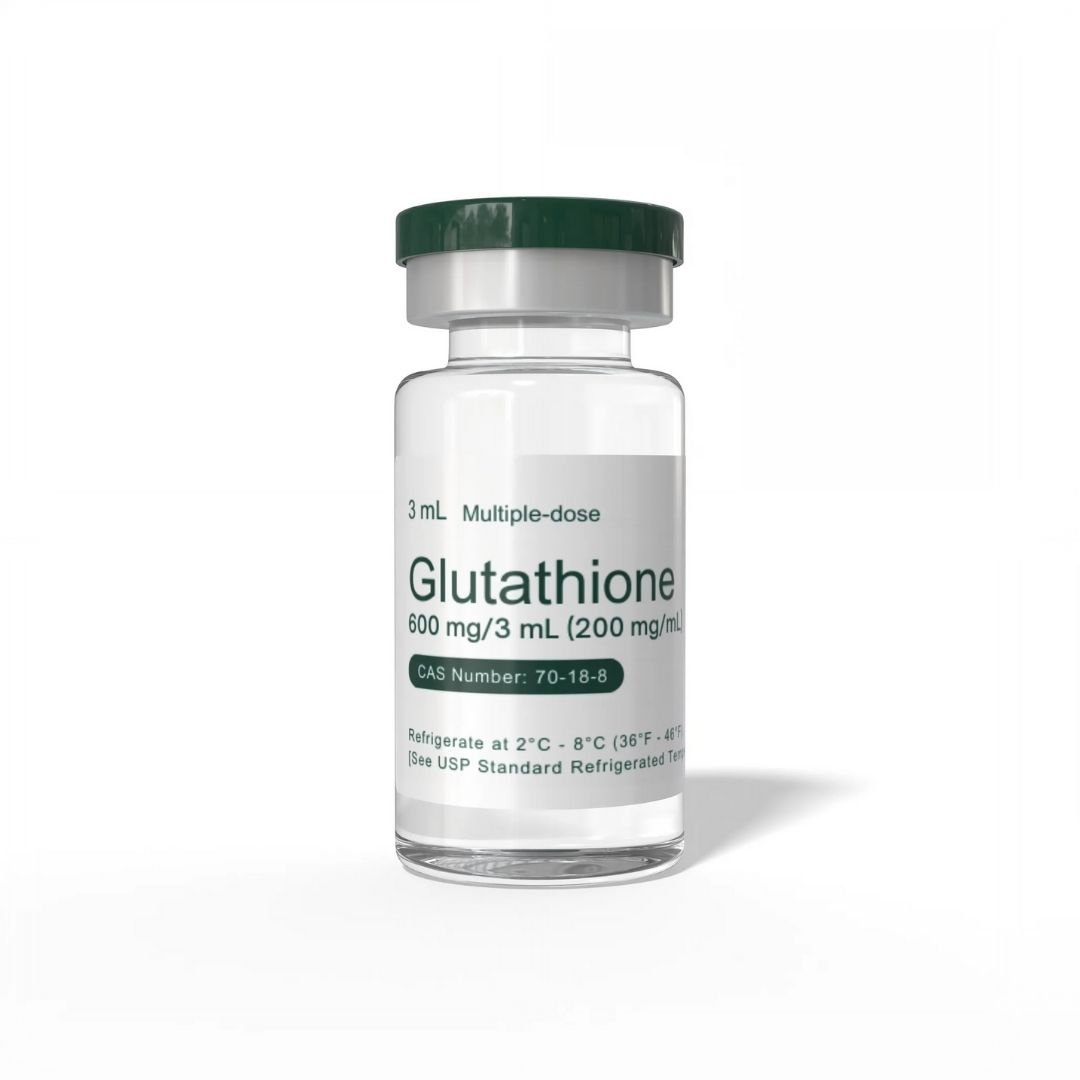
Glutathione

Glutathione is a naturally occurring antioxidant produced in the body. Research commonly examines its role in oxidative balance, detoxification pathways, and immune function. These insights are educational and not presented as treatment guidance.

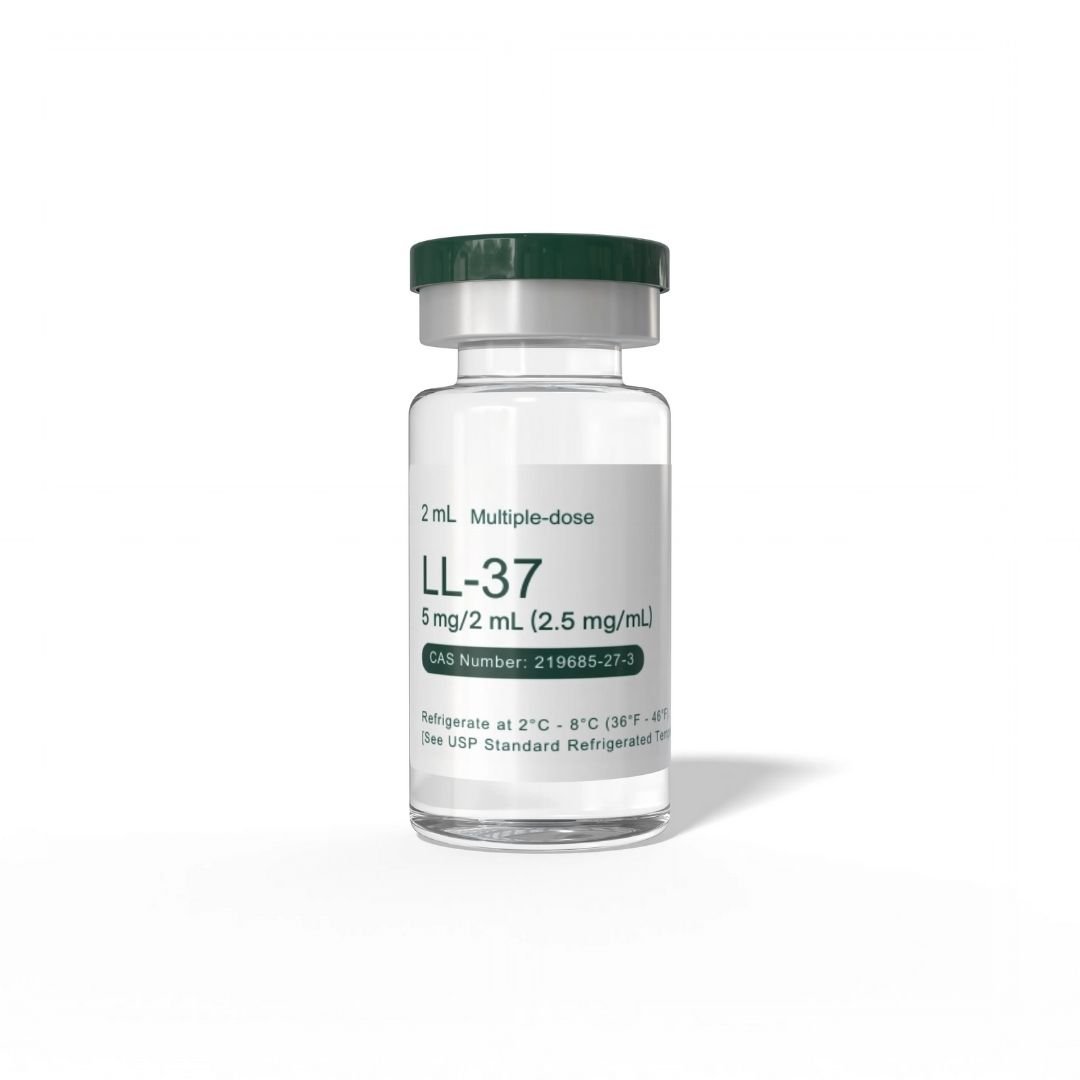
LL-37/Thymosin

LL-37 and thymosin peptides appear in research discussing immune modulation, inflammatory response, and tissue repair. Literature often evaluates their biological roles in resilience and recovery processes. Their inclusion here is informational only.

MIC

The combination of methionine, inositol, and choline (often referred to as “MIC”) is discussed in nutritional science for its potential involvement in metabolic pathways and liver function. Published discussions explore how these nutrients interact with energy and fat metabolism.

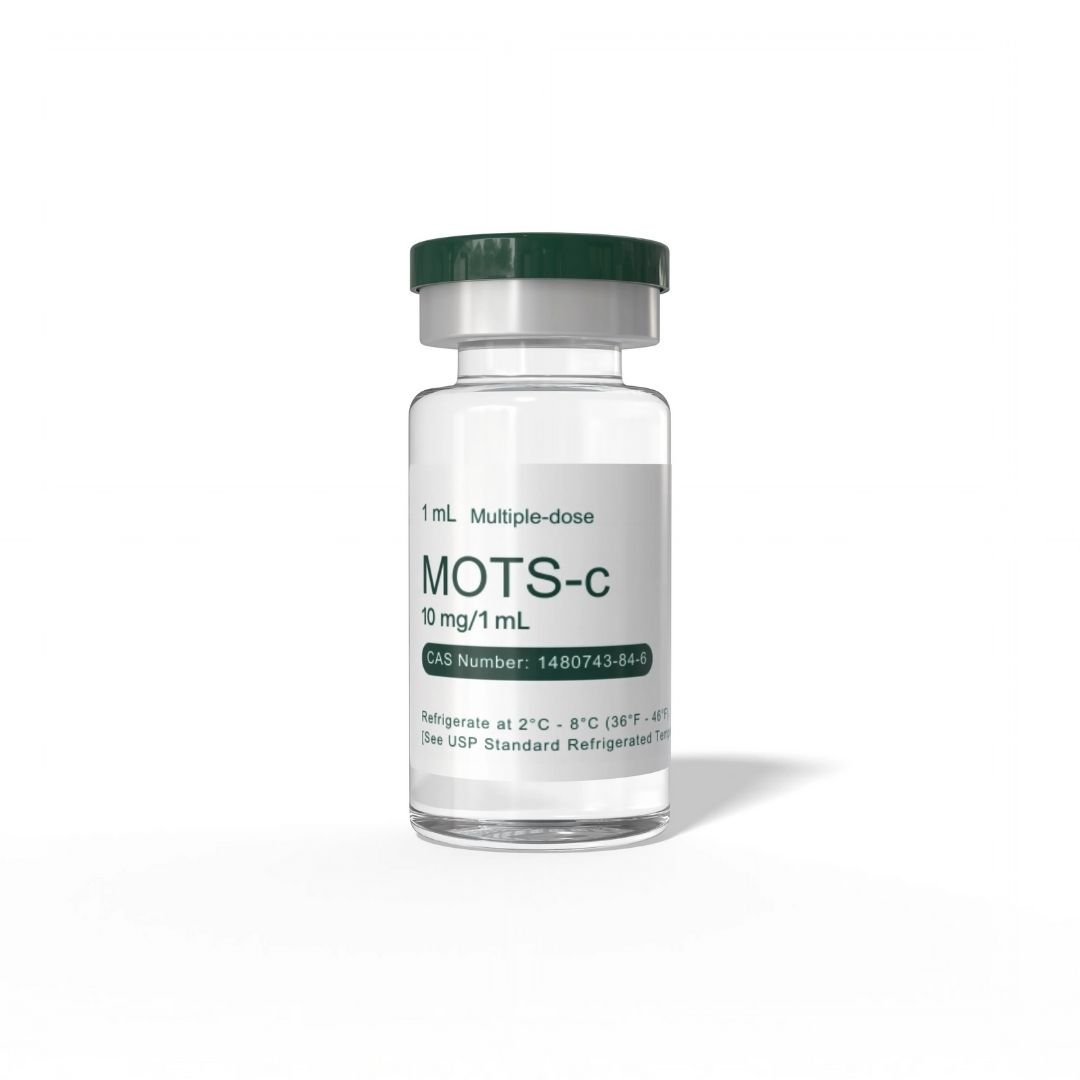
MOTS-C

MOTS-C is a mitochondrial peptide studied in the context of metabolism, cellular energy production, and exercise physiology. Researchers continue to evaluate its possible influence on metabolic adaptation and stress tolerance.

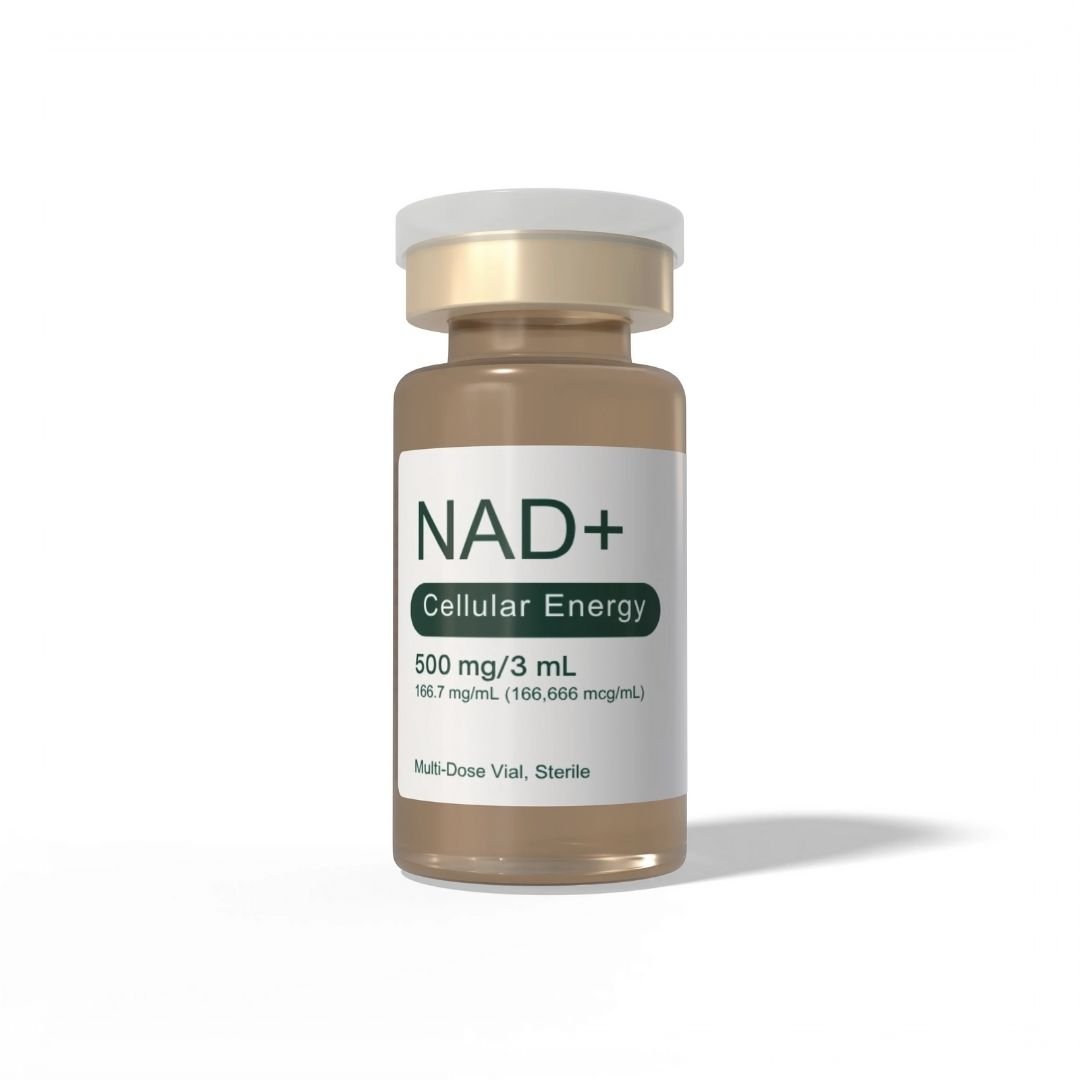
NAD+

NAD+ is an essential coenzyme naturally present in the body and foundational to cellular energy production and DNA repair. Scientific discussions highlight its connection to aging biology, metabolic health, and cognitive performance. These references are strictly informational.

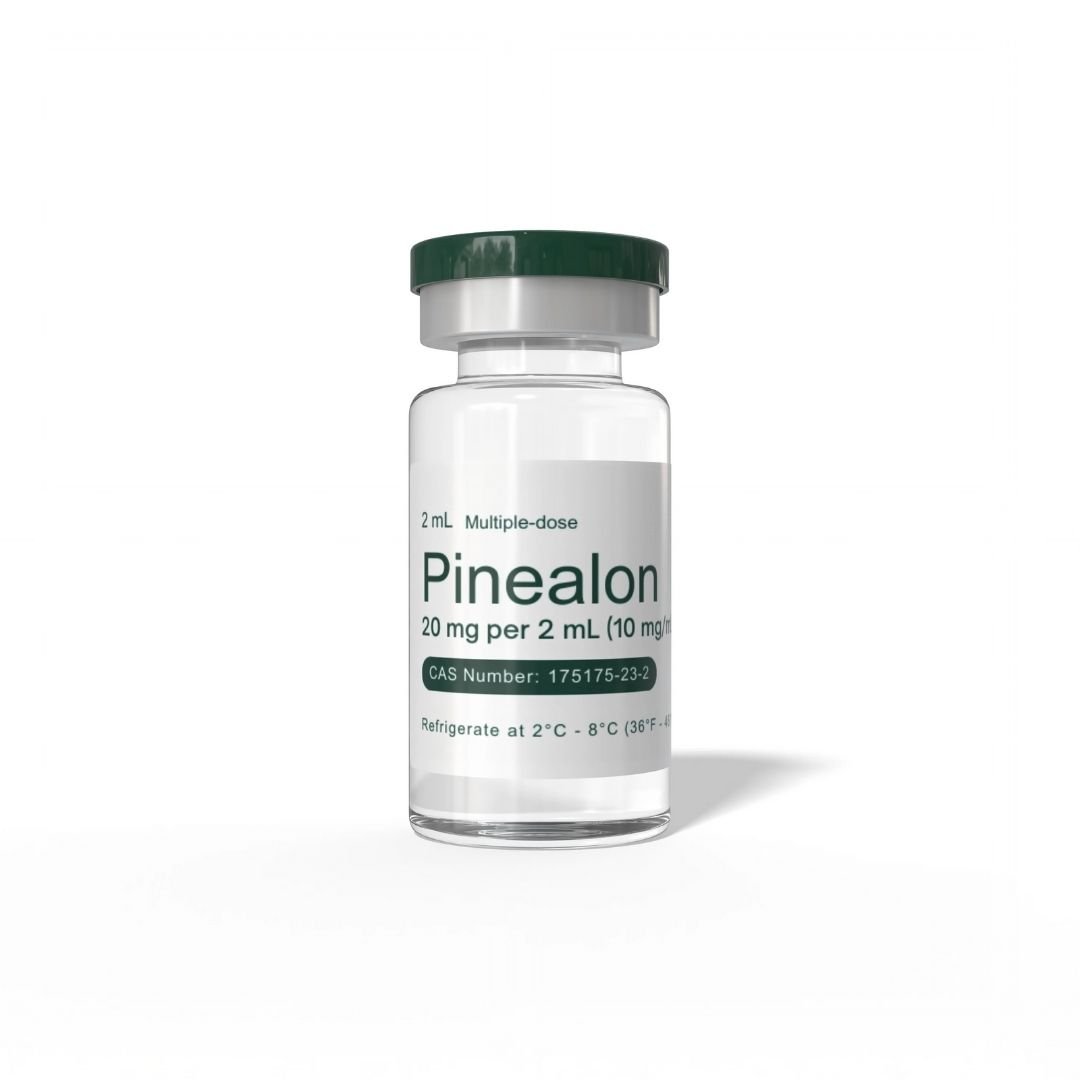
Pinealon

Pinealon is referenced in research examining neurological function, cellular metabolism, and cognitive health. Studies explore its potential relevance to memory, resilience, and general nervous system support.

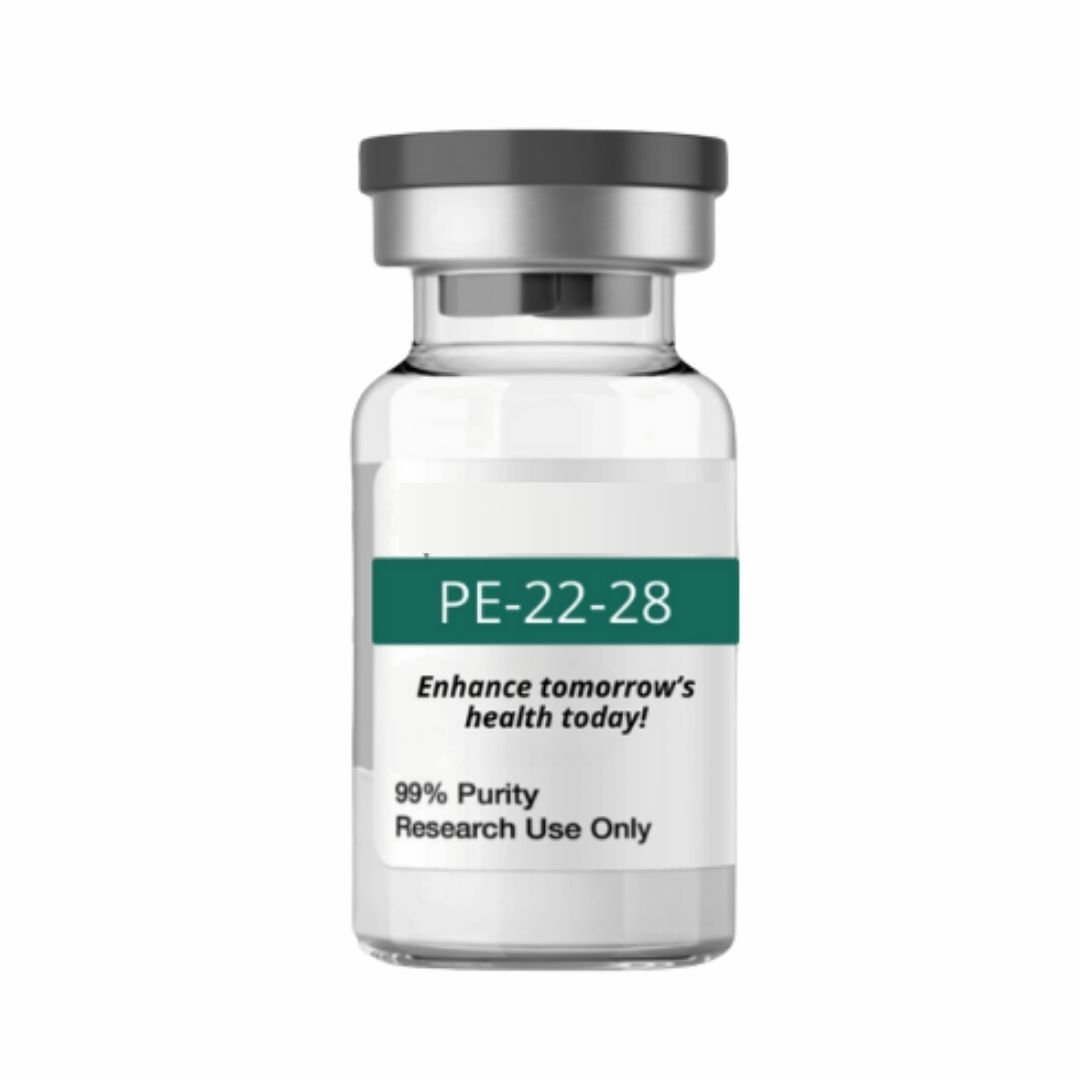
PE22-28

PE22-28 appears in academic literature related to neuroprotection, cognitive function, and mood regulation. Scientific interest focuses on cellular stress responses and neuronal signaling pathways.

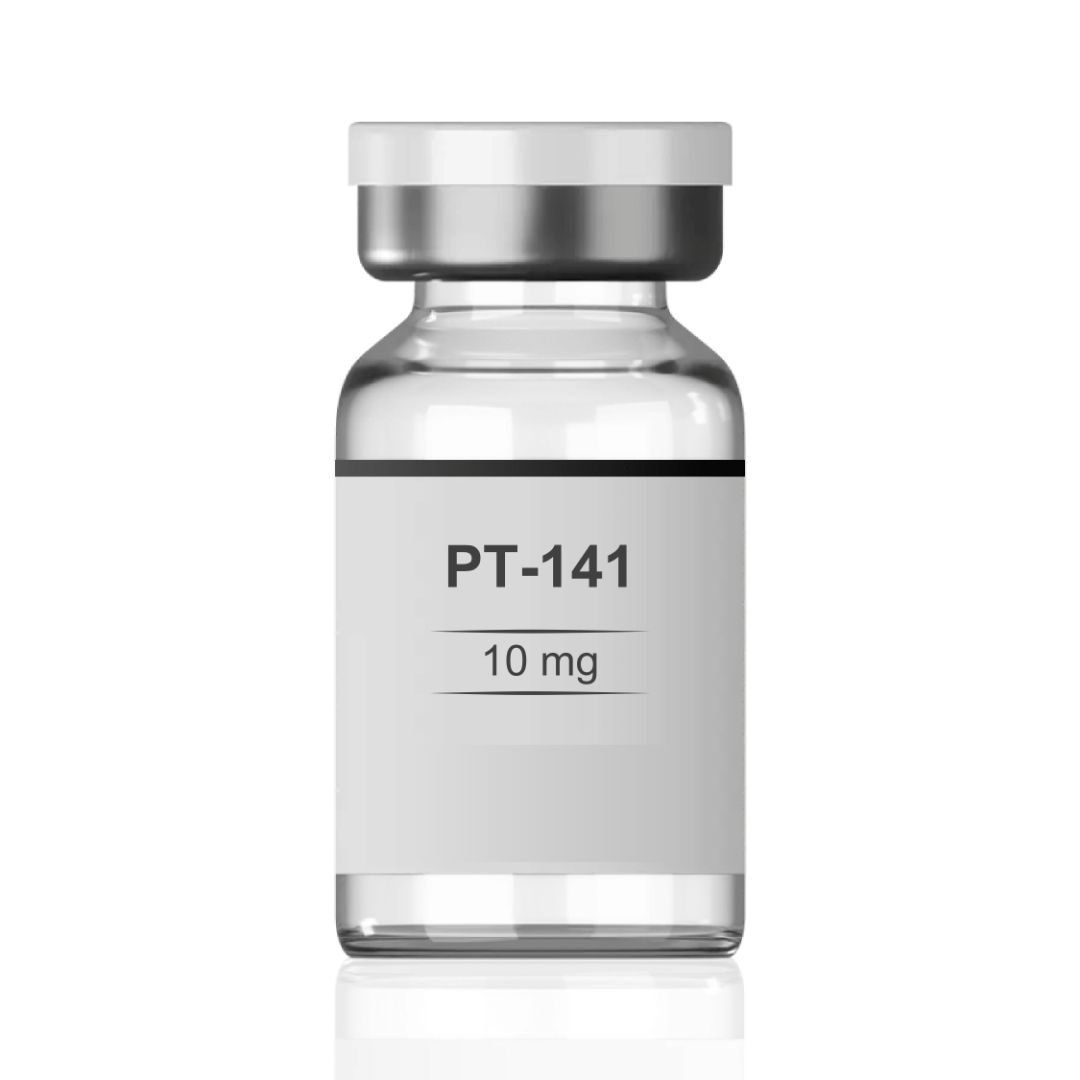
PT-141

PT-141 is a peptide studied primarily for its interaction with neural pathways associated with desire and arousal. While it has recognized FDA-approved uses, this discussion is limited to understanding its mechanism within published research.

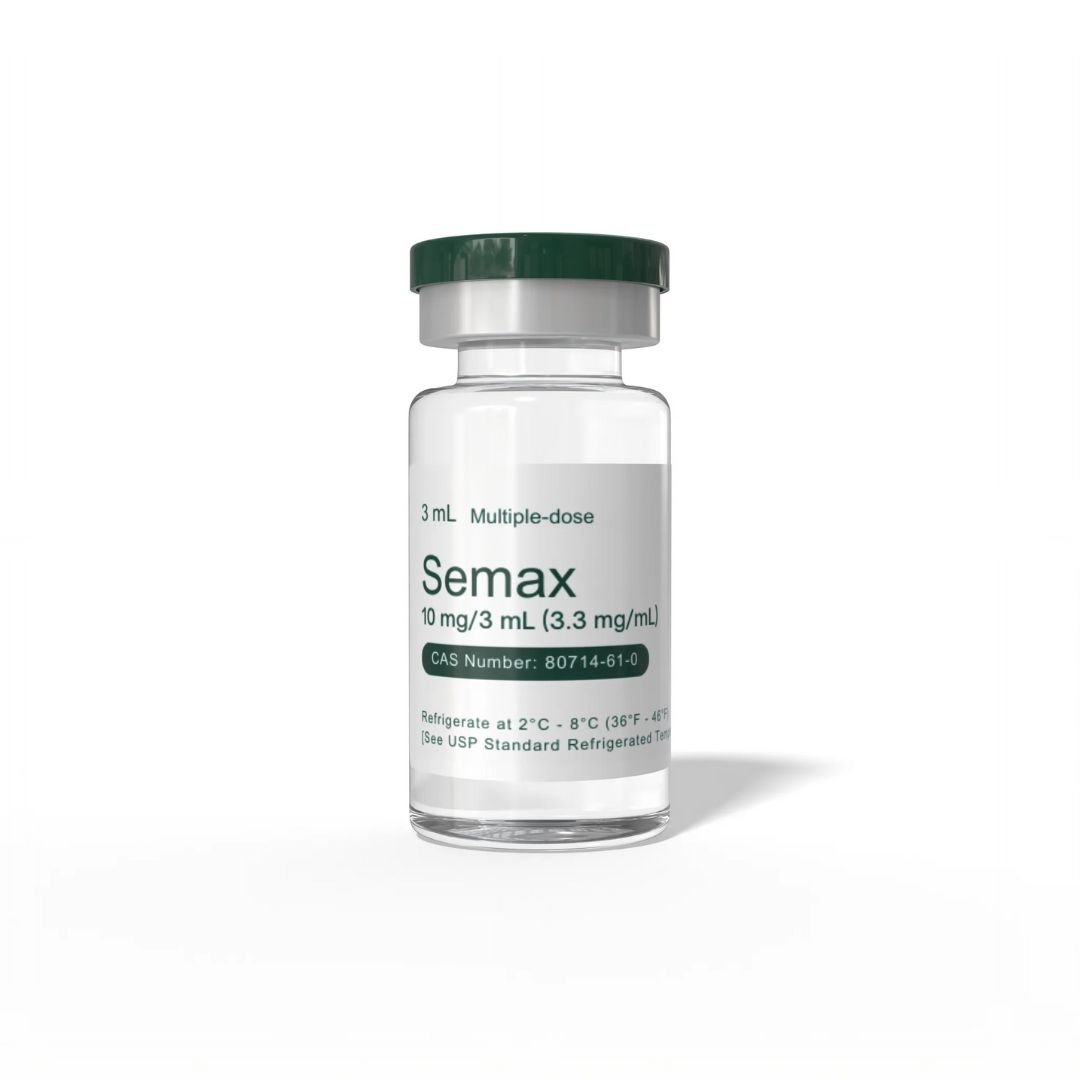
SEMAX

Semax is a peptide noted in research for its potential cognitive-supportive properties. Academic exploration includes its relationship to neuroplasticity, attention, and mental clarity. These findings are not indicative of therapeutic claims.

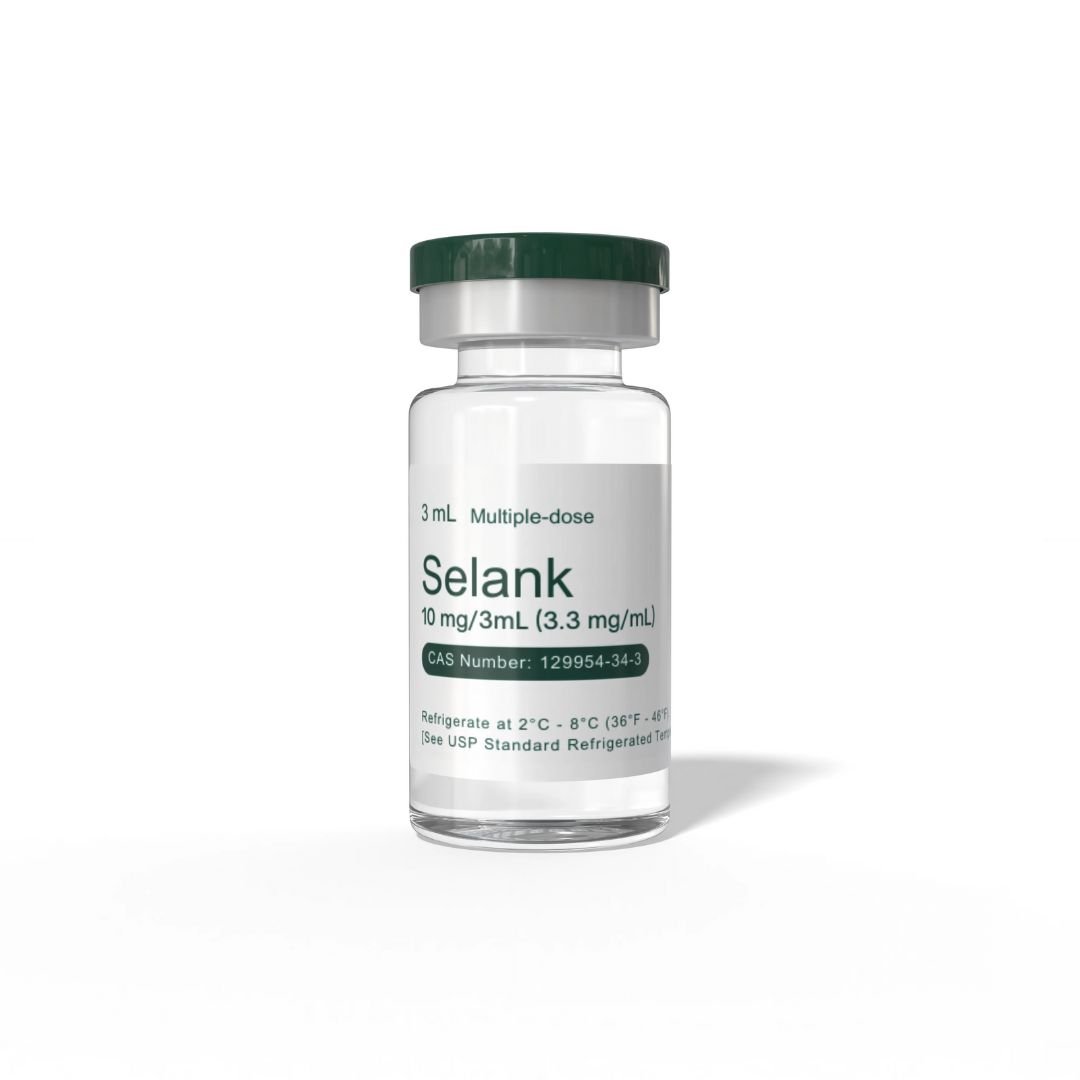
SELANK

Selank is discussed in scientific literature for its possible effects on stress modulation, cognitive performance, and emotional regulation. Any references here reflect published research, not clinical application.

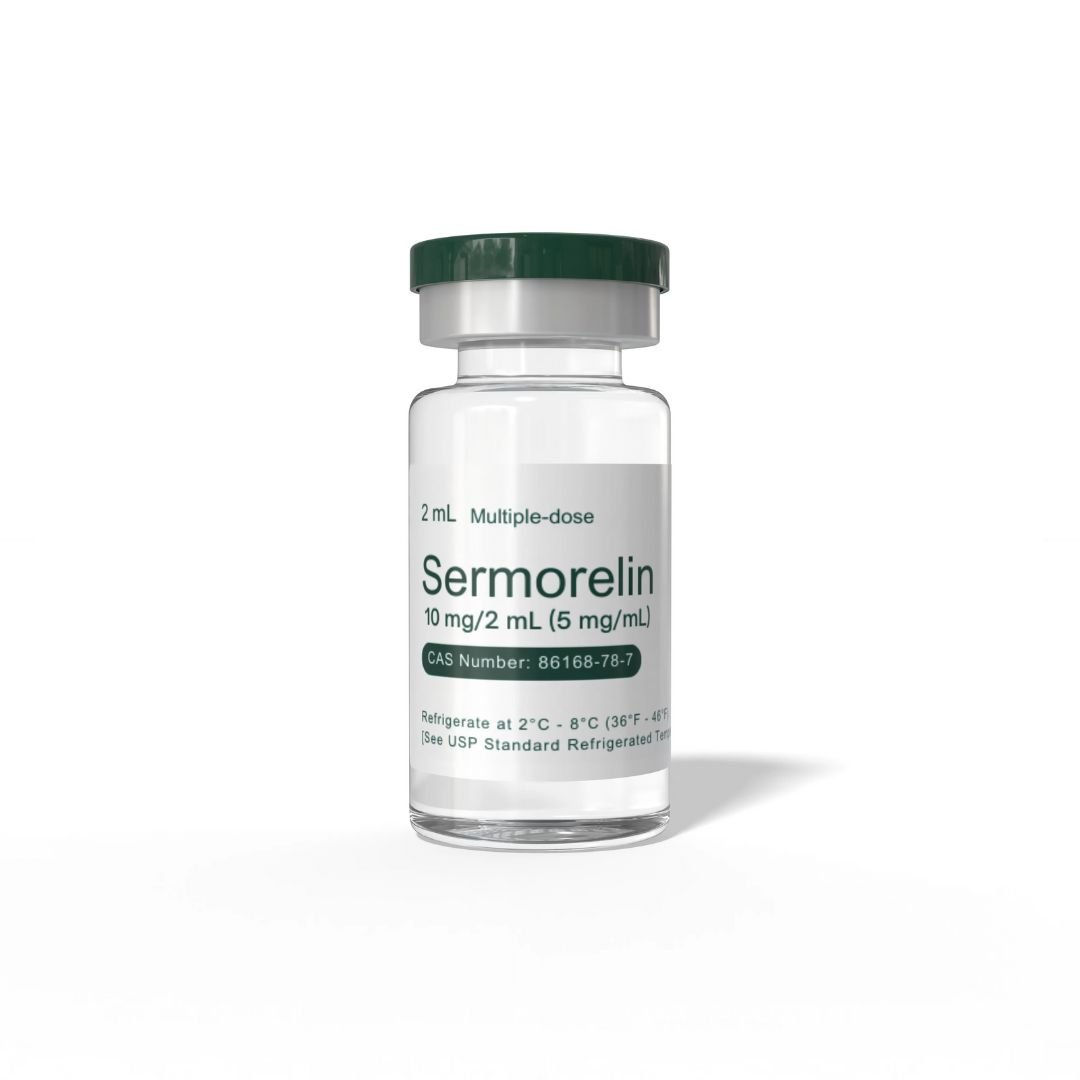
Sermorelin

Sermorelin is a peptide studied for its interaction with the body’s natural hormone-signaling pathways. Literature discusses its possible relevance to vitality, recovery, and sleep support. These references are exploratory and educational.

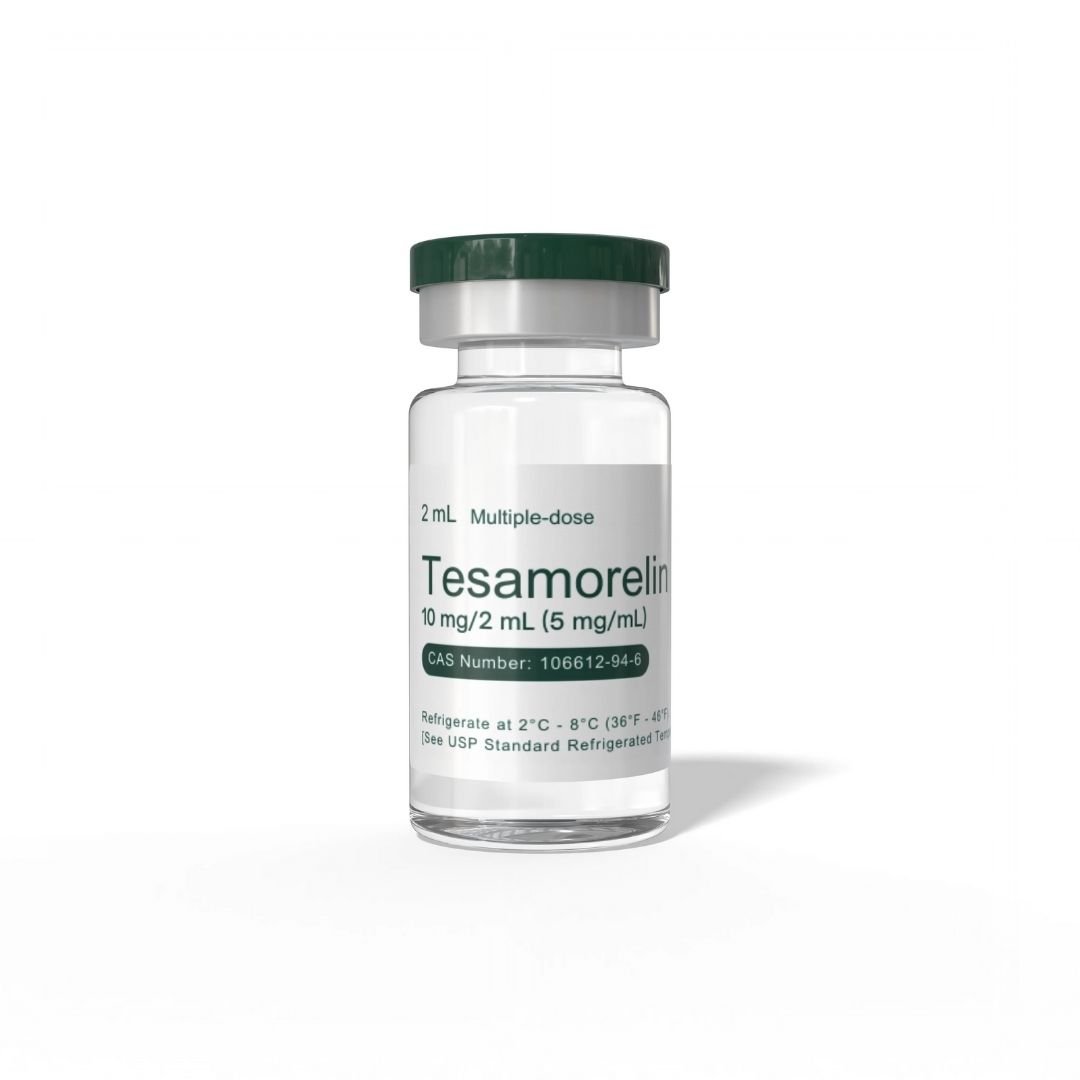
Tesamorelin

Tesamorelin is an FDA-approved medication for a specific medical condition. Scientific literature also explores its relationship to abdominal fat distribution and metabolic health. This content is provided for informational context only.

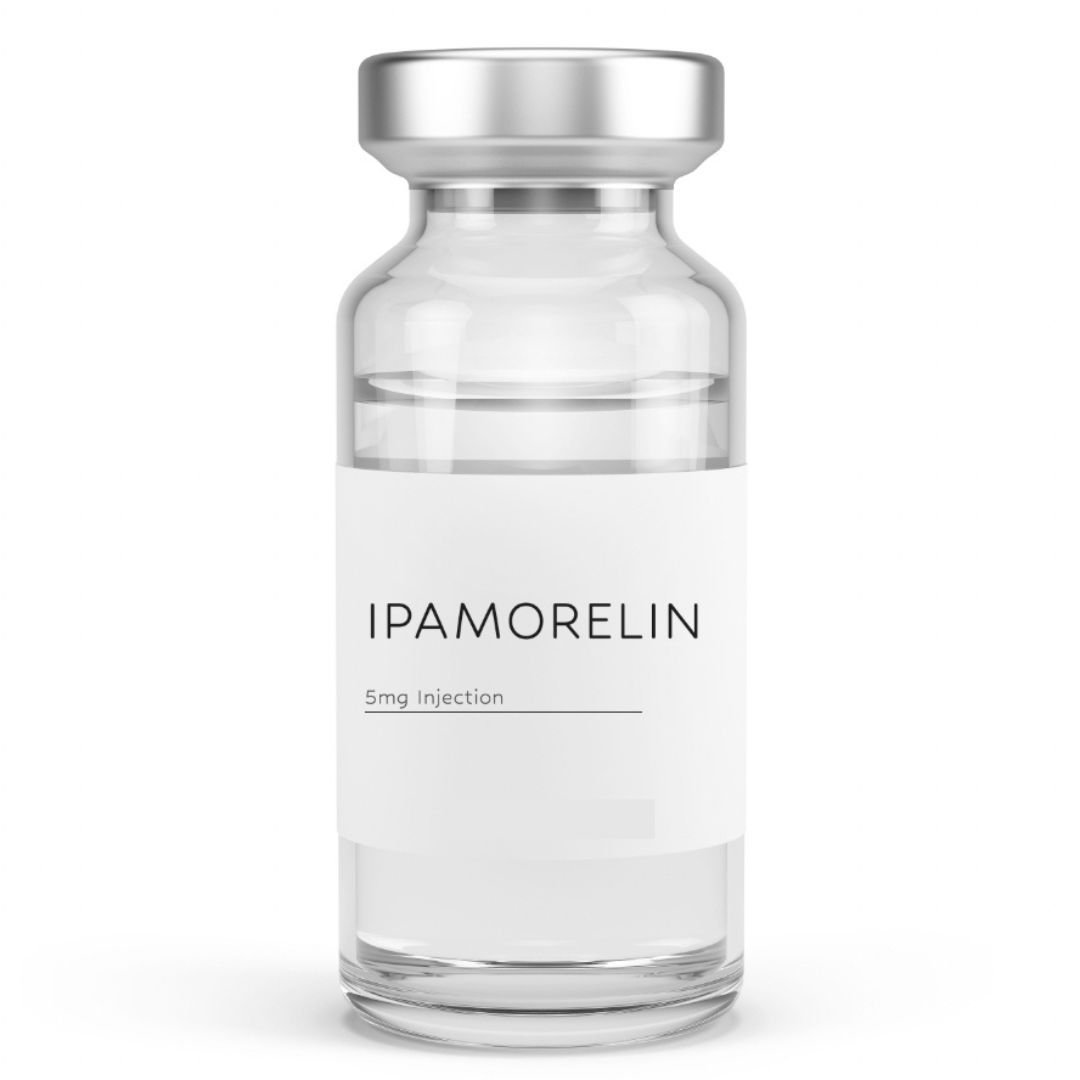
Ipamorelin

Ipamorelin is a peptide referenced in research on growth hormone signaling, recovery, and body composition. Studies discuss its selective mechanism of action and potential physiological roles.

Ready to take control of your weight loss journey? At Ignite, we offer a physician-led, science-driven program that helps you burn fat, protect muscle, and build lasting strength.

Disclaimer

  • This page is for educational purposes only.
  • No statements on this page have been evaluated by the FDA.
  • Nothing here is intended to diagnose, treat, cure, or prevent any disease.
  • Any questions regarding peptide-related therapies should be directed to a licensed medical professional.